Birding in India
India is an extraordinary place for anyone who wants to learn about birds.
You do not always have to travel to a forest.
You do not always need expensive binoculars.
You do not need to wake up in a remote mountain village.
Sometimes, you only need to look outside your window.
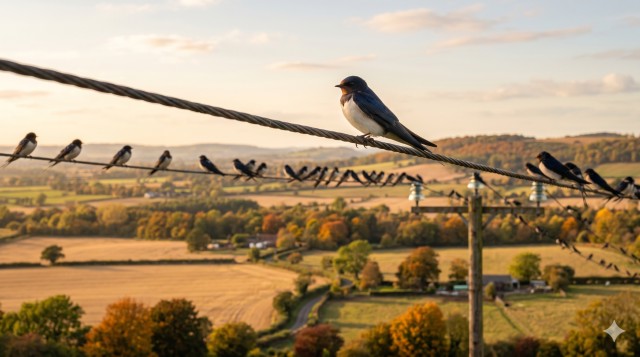
There may be a bird sitting on a wire.
Another may be calling from a tree.
A small bird may be hopping through a garden.
A kite may be circling high above a building.
A kingfisher may be sitting quietly beside a pond.
A group of parakeets may suddenly fly across the sky.
You may have seen these birds many times without really noticing them.
Birding changes that.
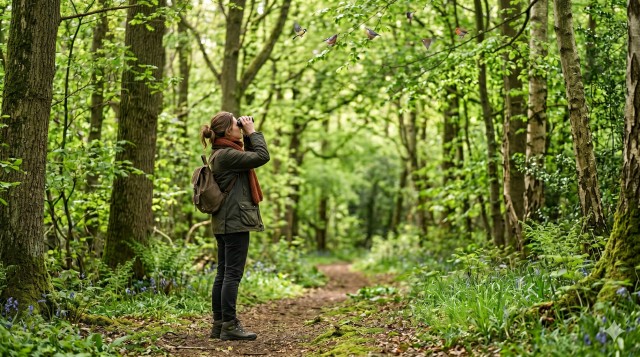
It teaches you to stop for a moment and look.
India is home to an enormous variety of birds because the country has an enormous variety of landscapes.
There are mountains.
Forests.
Grasslands.
Deserts.
Wetlands.
Rivers.
Coasts.
Islands.
Farmlands.
Villages.
Cities.
Gardens.
Lakes.
Mangroves.
Each of these places provides different opportunities for birds.
This means that birding in India can become a lifelong activity.
You can keep learning for years and still encounter birds you have never seen before.
You can travel to another part of the country and suddenly discover that the birds around you are completely different from the ones you see at home.
Even better, you can become a better birder without travelling very far.
Your own neighbourhood can become your first classroom.
Start With Birds You Already Know
Most people already know a few Indian birds.
The Indian House Crow is familiar to almost everyone.
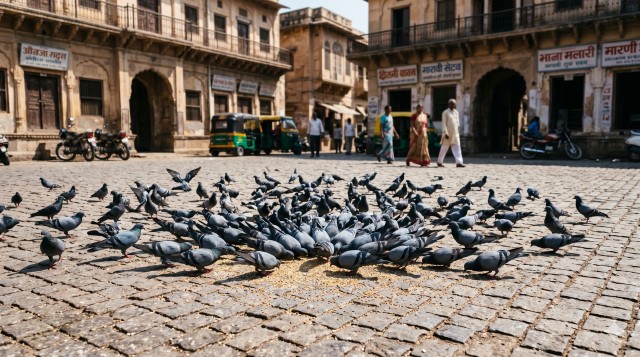
The Rock Pigeon is common in cities.
The Common Myna is often seen walking confidently on roads, lawns and pavements.
The Rose-ringed Parakeet may appear as a flash of green moving between trees.
The Black Kite may circle above a city.
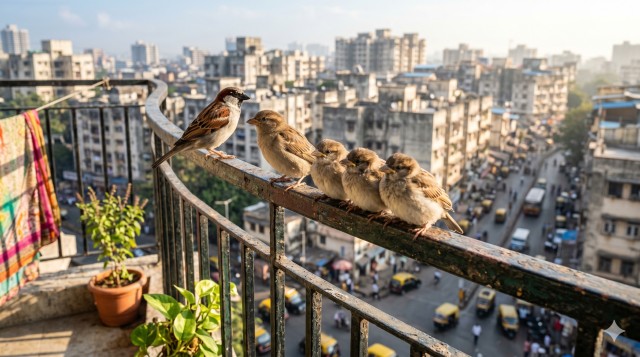
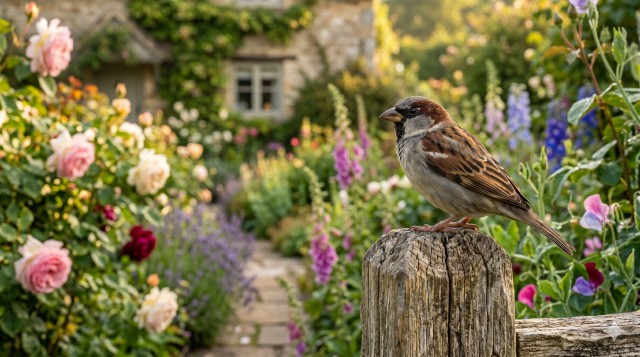
The House Sparrow may appear around homes, shops and gardens.
These familiar birds are useful starting points.
Do not ignore them simply because they are common.
A common bird can teach you a great deal.
Watch how it walks.
Notice how it feeds.
Listen to its calls.
Observe when it is most active.
Notice where it rests.
Look at how it behaves around people.
The more familiar you become with these birds, the more quickly your eyes will begin to notice unfamiliar ones.
You are training your observation system.
The Indian House Crow...
The Indian House Crow is one of the easiest birds to recognise in much of India.
Its grey neck contrasts with its darker head, wings and tail.
It is comfortable around people and can be found in many urban environments.
But do not stop at recognition.
Watch it.
You may notice how intelligent and adaptable it can be.
You may see it searching for food, investigating objects or interacting with other crows.
Once you start observing behaviour, a familiar bird becomes much more interesting.
The bird is no longer simply “a crow.”
It becomes an animal with habits, preferences and patterns.
The Common Myna...
The Common Myna is another excellent bird for beginners.
It is often seen walking rather than hopping.
It has a brown body, dark head and striking yellow skin around the eye.
Its yellow legs and bill also provide useful identification clues.
Look for it in open areas, gardens, roadsides and urban spaces.
Watch the way it moves across the ground.
Listen to its calls.
Observe whether it is alone or with other mynas.
Once you begin paying attention, you may realise how often this bird has been around you.
The difference is that you are now seeing it.
The Rose-ringed Parakeet...
A sudden flash of green can make a quiet morning interesting.
The Rose-ringed Parakeet is widespread in India and is particularly noticeable in many towns and cities.
Its green body makes it relatively easy to recognise.
Its flight can also be distinctive.
You may hear several birds calling loudly before you see them.
This is an important birding lesson.
Sometimes you hear the bird before you see the bird.
Good birders learn to use their ears.
Do not immediately look for the bird.
First listen.
Where is the sound coming from?
Is it above you?
Behind you?
Inside a tree?
Across the road?
Once you have an idea of the direction, start searching.
This simple habit can greatly improve your birding.
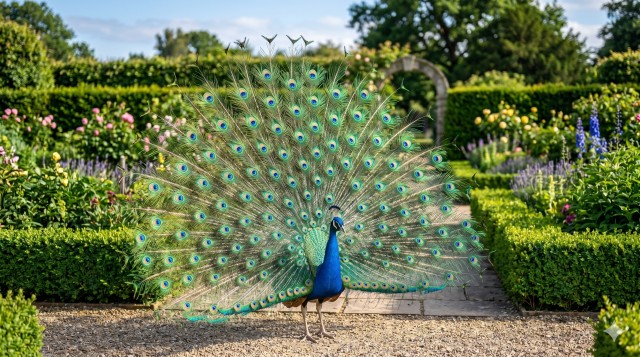
The Indian Peafowl...
The Indian Peafowl is one of India's most recognisable birds.
The male is famous for its magnificent train, while females are much more understated.
But the peacock offers another lesson.
Do not assume that birding is always about spotting beautiful colours.
Many birds are easier to identify through shape, behaviour, sound or habitat.
Some birds are grey.
Some are brown.
Some are almost completely dark.
Some blend beautifully into their surroundings.
A good birder learns to appreciate all of them.
The plain-looking bird may be just as interesting as the spectacular one.
Kingfishers in India...
India has several kingfisher species, and they provide wonderful opportunities to practise identification.
The Common Kingfisher is small and often associated with water.
The White-throated Kingfisher is larger and can sometimes be seen sitting prominently on wires, poles or branches.
Its bright blue wings and back, reddish bill and white throat make it particularly striking.
The Pied Kingfisher has a very different appearance and is often associated with rivers, lakes and other water bodies.
Watching kingfishers teaches you to connect appearance with habitat.
If you are near water and notice a bird sitting quietly while looking down, pay attention.
The location itself is giving you a clue.
Birds of Indian Cities
Many people assume that serious birding requires a forest.
It does not.
Indian cities can be surprisingly rich in birdlife.
Mumbai has coastal habitats, mangroves, wetlands, gardens and urban spaces.
Delhi has parks, wetlands, large trees and open areas.
Bengaluru has numerous gardens and tree-filled neighbourhoods.
Kolkata has wetlands and urban green spaces.
Hyderabad has lakes and dry landscapes.
Chennai has coastal areas, wetlands and urban habitats.
Pune has hills, gardens, lakes and surrounding countryside.
Across India, birds have learned to live alongside people.
This creates an interesting opportunity.
You can practise birding while doing ordinary things.
Walking to work.
Going for a morning walk.
Sitting in a garden.
Waiting near a lake.
Travelling through a neighbourhood.
Sitting on a balcony.
Even looking out of a window.
You may discover that birding does not require a special appointment.
Wetland Birds In India
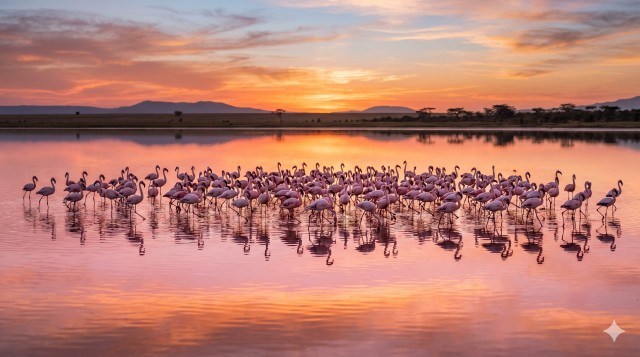
If you want to see a wide variety of birds, wetlands are particularly valuable places to explore.
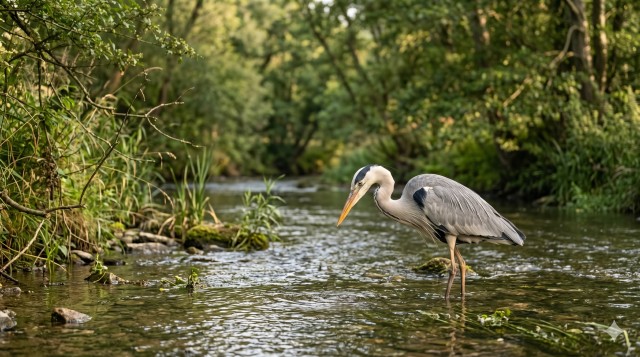
Lakes, ponds, marshes, reservoirs, rivers and other wet habitats can attract many species.
You may see ducks.
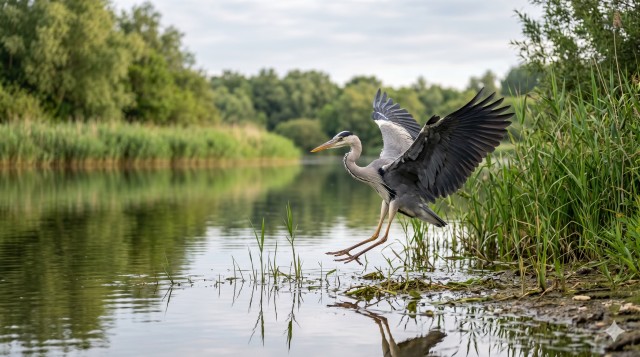
Herons.
Egrets.
Cormorants.
Kingfishers.
Storks.
Ibis.
Waders.
Birds of prey.
Some birds remain throughout the year.
Others arrive seasonally.
This introduces another exciting part of birding in India: migration.
A place that seems quiet at one time of year can become much busier during another.
The arrival of migratory birds can transform a familiar wetland.
That means birding is not always the same experience.
The same location can teach you something new each season.
Forest Birds In India
India's forests provide another enormous world of birdlife.
In forest habitats, you may encounter woodpeckers, barbets, hornbills, drongos, flycatchers, owls, minivets, cuckoos and many other birds.
Forest birding can be more challenging.
Birds may remain hidden behind leaves.
The light may be difficult.
Sounds may come from several directions.
You may hear a bird without seeing it.
This is where patience becomes extremely important.
Do not assume that a bird is absent simply because you cannot see it.
Sometimes it is directly above you.
Sometimes it is behind a leaf.
Sometimes it is moving quietly through dense vegetation.
Forest birding teaches you to slow down.
Mountain Birds In India
India's Himalayan region offers another extraordinary birding experience.
As elevation changes, the birdlife can change too.
You may encounter species that are uncommon or completely absent in the plains.
The landscapes are different.
The vegetation is different.
The climate is different.
And the birds are different.
Mountain birding can therefore become a lesson in geography.
You start understanding that birds are connected to the environments in which they live.
The more you understand the landscape, the more useful your observations become.
Coastal Birds In India
India has a vast coastline, and coastal birding opens another world.
You may encounter gulls, terns, sandpipers, plovers, herons, egrets and other coastal and wetland birds.
Look carefully at beaches, mudflats, estuaries, mangroves and rocky shorelines.
Do not simply look at the sky.
Look down.
Look along the waterline.
Look at exposed mud.
Look around rocks.
Look at groups of birds standing together.
Coastal birding can also teach you the importance of tides.
The birds you see may change depending on what food becomes available when the water moves.
The landscape is constantly changing.
The birds respond to those changes.
Learning to See Beyond Colour
One of the most common mistakes beginners make is relying too heavily on colour.
Colour is useful.
But it is only one clue.
Imagine seeing a small brown bird.
What can you learn from its colour alone?
Not much.
Now look at its size.
Then its shape.
Then its beak.
Then its tail.
Then its posture.
Then its behaviour.
Then its habitat.
Then its call.
Suddenly, the bird becomes much easier to understand.
This is why bird identification should be treated as a process of collecting clues.
One clue may be weak.
Several clues together can become powerful.
Birding Is Also About Listening
India is full of bird sounds.
Some are loud.
Some are soft.
Some are musical.
Some are repetitive.
Some sound almost like calls from another animal.
Learning bird calls can dramatically improve your birding ability.
Instead of waiting until a bird appears in front of you, you begin detecting its presence through sound.
You may walk through a garden and hear several species without seeing any of them.
That is still birding.
Your ears have discovered what your eyes have not yet found.
Over time, certain calls become familiar.
You hear them and immediately begin looking in the right direction.
This is another example of how repeated observation builds recognition.
Birding Can Make You More Patient
A bird may appear for two seconds.
Then disappear for ten minutes.
You wait.
Nothing happens.
You wait a little longer.
Then suddenly the bird returns.
This teaches something that has very little to do with birds.
It teaches patience.
Modern life encourages us to move quickly from one thing to another.
Birding asks us to stay.
Look.
Listen.
Wait.
Notice.
Sometimes nothing happens.
And then something does.
That waiting is part of the experience.
Birding Can Make Familiar Places New
Perhaps the greatest gift of birding is that it can make ordinary places interesting again.
The park you have visited a hundred times may contain birds you have never noticed.
The road you travel every morning may have a tree used regularly by birds.
The lake you pass without looking may contain several species.
Your balcony may become an observation point.
Your neighbourhood may become a small field study.
You do not have to travel far to begin discovering nature.
You simply have to become more attentive to what is already there.
A Lifelong Journey
There are thousands of bird species to discover in India and across the world.
You will not learn them all at once.
You do not need to.
Start with ten.
Learn them properly.
Then add another ten.
Compare similar birds.
Learn their calls.
Understand their habitats.
Watch their behaviour.
Return to the same places.
Keep noticing.
Slowly, your mental library grows.
One day you may look at a bird and recognise it almost instantly.
That moment will feel simple.
But behind that simple recognition will be hundreds of earlier observations.
Every bird you noticed helped prepare you for the next one.
Every mistake taught you something.
Every walk added another piece of knowledge.
Every quiet moment outdoors strengthened your ability to observe.
This is why birding is much more than bird identification.
It is a practice of attention.
It is a practice of curiosity.
It is a practice of patience.
It is a way of discovering nature without needing nature to become spectacular first.
A bird does not have to be rare to be worth watching.
A common bird can teach you something new.
A small bird can hold your attention.
A familiar bird can surprise you.
And an ordinary morning can suddenly become memorable because you looked up.
So begin wherever you are.
Look at the trees.
Look at the wires.
Look at the rooftops.
Look near water.
Listen to the bushes.
Watch the sky.
Notice movement.
Pause when you hear a call.
Give yourself time.
And most importantly, keep looking.
Because India is full of birds.
They are already around us.
The real question is not whether there are birds to discover.
The real question is:
Are we paying enough attention to see them?
Join a good Birding Course on Enoma
Birding Course Details